

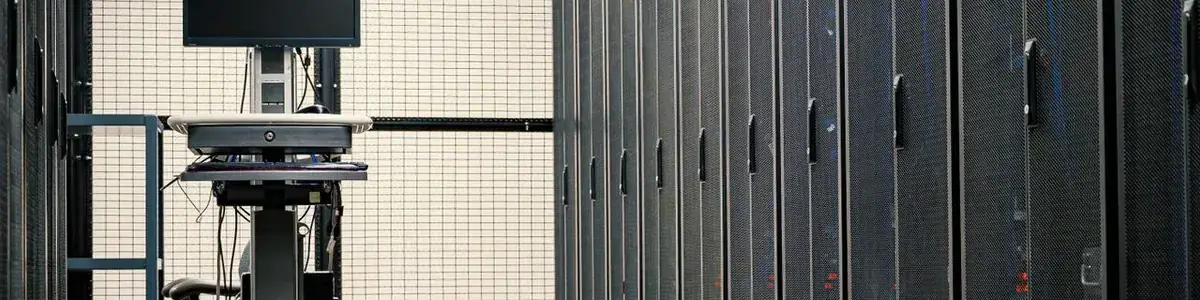
Opposition to new data centers increasingly extends beyond concerns about water and energy use to something simpler: how the buildings look. Critics often describe hyperscale facilities as massive, windowless concrete structures that feel out of scale with surrounding communities and are ringed by fencing, cameras, and security gates. In response, some operators and designers are experimenting with ways to make these facilities less visually intrusive and more acceptable to the people who live near them.
Blending In With Biomimicry
Microsoft has applied a landscaping approach it calls biomimicry at some of its newest sites, using strategies borrowed from local ecosystems to guide land, water, and restoration planning. The company first used the method at a campus in Noord-Holland, Netherlands, in 2022, planting 150 native trees along with more than 2,000 square meters of shrubs and grasses. Microsoft says the approach has since expanded to more than 20 sites across the US and Europe.
According to Microsoft’s director of global land strategy, Kaitlin Chuzi, the goal goes beyond aesthetics. The company studies how local ecosystems function and combines that research with community input to shape plans that improve stormwater management, soil health, and habitat for local species, in addition to softening how a site looks from nearby vantage points.
A National Design Push in the UK
In June, the UK government launched a national Data Center Design Challenge with the Royal Institute of British Architects (RIBA), inviting architects, engineers, and communities to collaborate on design quality, public engagement, and sustainability. RIBA president Chris Williamson said the sector’s growing importance to the UK economy comes with a responsibility to rethink how facilities are designed, sited, and experienced by the public.
Going Underground
Some proposals go further, exploring partially buried or fully underground data centers with little or no visible footprint. Beyond reducing visual impact, these designs can offer security and cooling benefits. Uptime Intelligence research analyst Max Smolaks noted that opposition tends to fade when a facility is largely hidden from view, pointing to buried or mine-based designs as examples.
What Communities Actually Want
A 2026 report from design firm Gensler found that design is a decisive factor in whether communities accept new data centers, with residents citing building appearance, massing, materials, and height as top concerns, all factors architects can directly influence.
Designing With, Not For, Communities
Engineering consultancy Hoare Lea argues that true acceptance requires involving residents from the start rather than simply improving aesthetics after the fact. Carl Walker, the firm’s head of societal insights, said co-creating data centers with communities is essential if they are to be seen as valued local assets rather than anonymous warehouse buildings. Hoare Lea has developed a Social Charter for data centers offering guidance on community engagement and design, aiming to move away from a standardized warehouse model toward facilities that reflect the character and needs of the places where they’re built.