

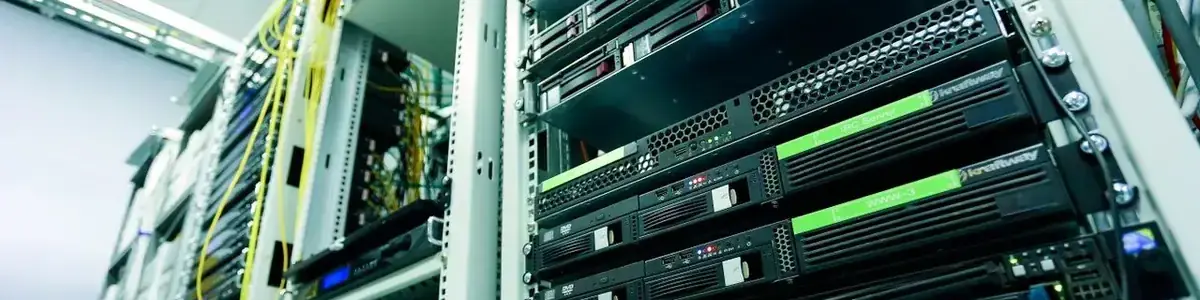
Eighteen months after OpenAI, SoftBank, Oracle, and MGX unveiled Stargate at the White House in January 2025, the initiative has moved from a headline-grabbing pledge into a working test case for building AI infrastructure at unprecedented scale. The original plan called for up to 10 GW of compute capacity and hundreds of billions of dollars in data centers, power systems, and supporting infrastructure across the United States.
A Growing Footprint
Stargate has expanded well past its original Texas site, with new campuses announced in Wisconsin, Ohio, New Mexico, and international projects in Abu Dhabi and Norway. In December 2025, Vantage Data Centers broke ground on a $15 billion Stargate-related campus in Port Washington, Wisconsin, planned to deliver four data centers totaling 902 MW of IT capacity across 674 acres, with closed-loop cooling and other sustainability features.
A New Kind of AI Campus
According to Lilli Flynn, a DCByte senior analyst, Stargate functions less like a traditional hyperscale expansion and more like a prototype for gigawatt-scale AI campuses built around dedicated energy strategies. She described the model as combining behind-the-meter power generation, co-located energy infrastructure, and phased GPU rollouts into what she called vertically coordinated “AI industrial parks.” The project’s broad stakeholder base, including equity participation from SoftBank, Oracle, OpenAI, and MGX alongside technology partners like Nvidia, Microsoft, and Arm, helps spread capital risk and speed up hardware procurement and grid interconnection.
Financing and Demand Pressure
That scale has also brought friction: concerns over power consumption, financing questions, partner disagreements, a shifting relationship with Microsoft, and reports of delays linked to governance and ownership disputes. Flynn noted that financing is increasingly tied to demand certainty, since AI training and inference workloads lack the stable, predictable patterns of traditional enterprise cloud usage. Any change in scaling assumptions, she said, can shift expansion timelines, pointing to reported adjustments at the flagship Abilene site.
Abilene’s Fast Start, Early Setbacks
The 1,100-acre flagship campus near Abilene, Texas, moved from groundbreaking to energization and early building deployment faster than most comparable AI campuses. But Flynn said early operations have already exposed execution risk, including reported weather-related outages after energization, which underscore how fragile rapid grid interconnection can be for megawatt-class AI facilities.
Texas Policy Scrutiny
Texas remains a top destination for AI infrastructure, but is also becoming a more politically sensitive environment. Growing concern over water usage, land impact, and grid stress is driving discussion of changes to tax incentives and permitting rules. Flynn said governor-level policy debate over incentives and resource use suggests future Stargate expansion in the state may face a more conditional approval process than earlier phases of the buildout.