

Urban Data Centers: When Downtown Beats the Suburbs
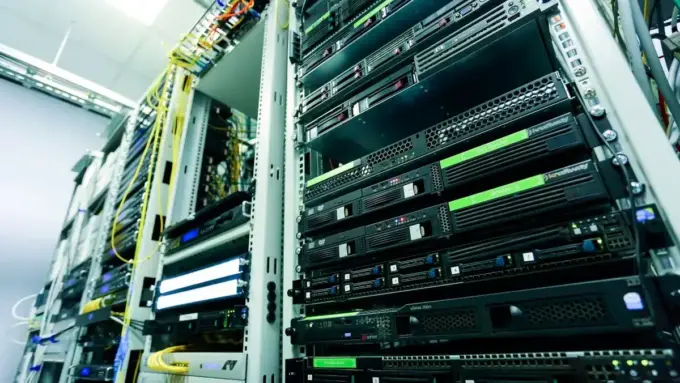
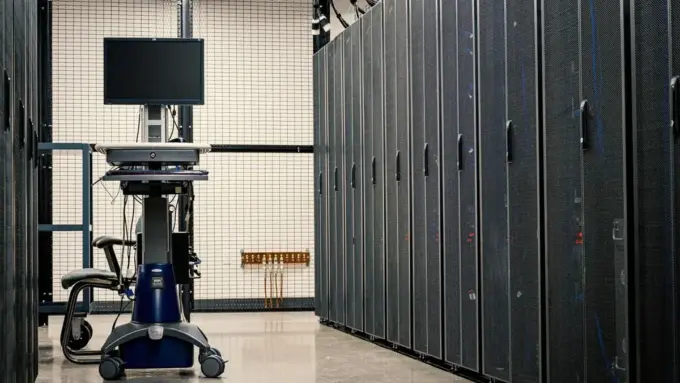
City-center facilities trade hyperscale capacity for proximity, offering low latency and dense interconnection for metro workloads that can't afford the round trip to a suburban campus.
Performance engineering, security hardening, and WordPress operations. Written by the people who run the metal.
City-center facilities trade hyperscale capacity for proximity, offering low latency and dense interconnection for metro workloads that can't afford the round trip to a suburban campus.
Property tax is often treated as a once-a-year accounting formality, but for AI data centers it is a major cost that should be managed from design through operation.
Cloudflare is upgrading its CASB tool with event-driven automation that revokes risky file shares and fires webhooks the moment a misconfiguration is detected, cutting out manual review.
Wordfence's Argus research team discovered a critical authentication bypass in the WPMU DEV Dashboard plugin, installed on an estimated 350,000 sites, that can let unauthenticated attackers gain administrator access.
The Department of Energy declined to designate three proposed National Interest Electric Transmission Corridors, even though its own draft study flags data centers as a major driver of future transmission needs, reviving debate over building grid capacity ahead of demand.
WordPress has signed the Open Weights and American AI Leadership letter, joining more than 270 companies asking US policymakers to avoid early restrictions on downloadable, modifiable AI models.
On a recent WP Tavern podcast, Damon Cook explained how his tool WP Trend Watcher combines AI summarization with human editing to help WordPress professionals keep up with a fast-moving ecosystem.
The Department of Energy has ordered a Pennsylvania coal plant to stay available through November as PJM grapples with surging data center demand and a wave of generator retirements.
Strapi co-founder Pierre Burgy argues that websites peak on launch day and then quietly decay, and explains why full automation isn't the fix, but a smarter division of labor between agents and humans is.